Physarum polycephalum (slime mold)
Realizes: Steiner tree / shortest transport network (approximate)
The plasmodial slime mold extends filaments toward nutrient sources and progressively reinforces paths that carry more flow, pruning inefficient routes. Toshiyuki Nakagaki showed it reproduces the Tokyo rail network topology. Speed: hours to days (biological growth/optimization). Capacity: network optimization problems with ~10-100 nodes.
Examples
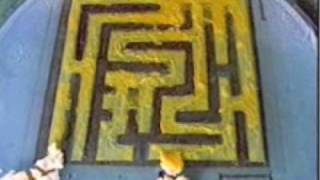
Slime mold solving a maze in the lab
Laboratory demonstration of Physarum polycephalum solving a maze by finding the shortest path between food sources, more efficiently than graduate students
How Slime Mold Finds the Shortest Path Through a Maze
Educational video exploring how the single-celled Physarum polycephalum can navigate and solve mazes without a brain
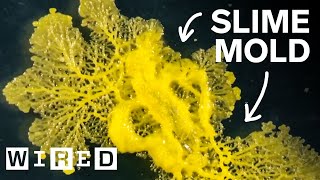
How This Blob Solves Mazes | WIRED
WIRED video showing how Physarum polycephalum, a single-celled brainless organism, can make decisions and solve complex maze problems